Open Water Scuba Diver
Your first NAUI certification and the start of a lifetime of underwater exploration.
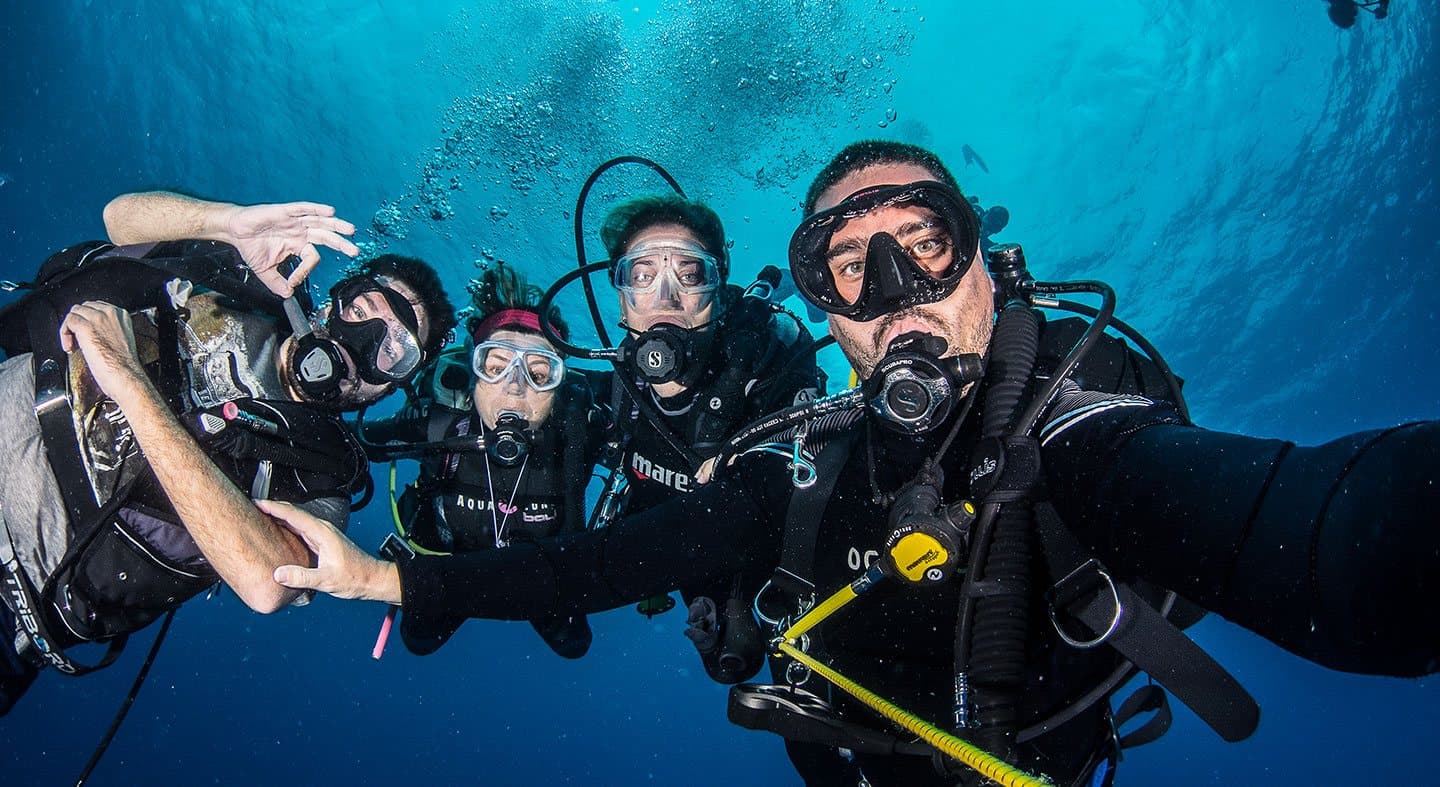
Every diver starts somewhere, and the NAUI Open Water Scuba Diver course is where Limit Breakers begins with almost everyone. It is built for people who have never breathed underwater before and walks you through everything you need to dive safely and confidently in open water.
You will start in the comfort of confined water, a calm, shallow, controlled environment where you build muscle memory for mask clearing, buoyancy control, regulator recovery, and the dozen other small skills that make diving feel automatic instead of stressful. From there, training moves into real open-water dives along the Lebanese coast, with your instructor beside you the entire time.
Alongside the skills, you will cover the knowledge every diver needs: how modern scuba equipment works, the basic physics and physiology of diving, dive planning and dive tables, and the responsible diving practices that protect both you and the marine environment you are there to enjoy.
Because this course is taught privately or in very small groups, the pace is set by you. Nervous in the water at first? You get more confined-water time before your first open-water dive. Comfortable and quick to pick things up? You move through the material as fast as you're genuinely ready for, without ever cutting a required skill short.
There is also a path for experienced but uncertified divers. If you already have twenty-five or more logged open-water dives through military, commercial, or scientific diving but never completed a formal certification, the NAUI Experienced Scuba Diver track reviews the same knowledge and skills against your existing experience and awards full NAUI Scuba Diver certification on completion.
Once certified, your card is recognized worldwide: you can dive independently with a buddy within the limits of your training, rent equipment and get air fills at dive centres anywhere, and enroll in the specialty and leadership courses that build on Open Water. Junior divers certify with age-appropriate depth limits and dive with a certified adult until they upgrade at 15.
What You’ll Learn
- Dive equipment setup, use, and care
- Buoyancy control and trim in confined and open water
- Mask clearing, regulator recovery, and out-of-air procedures
- Basic dive planning, dive tables, and no-decompression limits
- Underwater navigation fundamentals
- Responsible and environmentally conscious diving practices
- A minimum of open-water training dives with your instructor
- Buddy-system checks and dive communication
- Surface procedures, entries, and exits for shore and boat dives
What’s Next?
Continue your training with the NAUI Advanced Scuba Diver, NAUI Enriched Air Nitrox Diver, or NAUI Rescue Scuba Diver course.
Course Questions
Open Water, answered
The questions divers ask most before starting this course. Anything else, we’re one message away.
Do I need to be a strong swimmer to start?
You need to be comfortable in the water, not a competitive swimmer. Casual swimming ability and basic water confidence are enough to begin; the course itself builds the rest step by step in shallow, controlled conditions.
How long does the Open Water course take?
It's built around a minimum of four open-water training dives plus knowledge development and confined-water sessions, typically spread over two or more days. Because we teach privately, the exact pace is set by you rather than a class calendar.
What am I allowed to do once certified?
Your card is recognized worldwide: you can dive with a certified buddy without an instructor, rent gear and get air fills at dive centres anywhere, and enroll in continuing courses like Advanced, Nitrox, and Rescue.
My child wants to learn. What are the age rules?
Juniors can certify from age 10 with age-appropriate depth limits, and dive accompanied by a certified adult. At 15 the junior certification upgrades to the full rating.
Continue Your Training
 Certified Diver
Advanced Scuba Diver
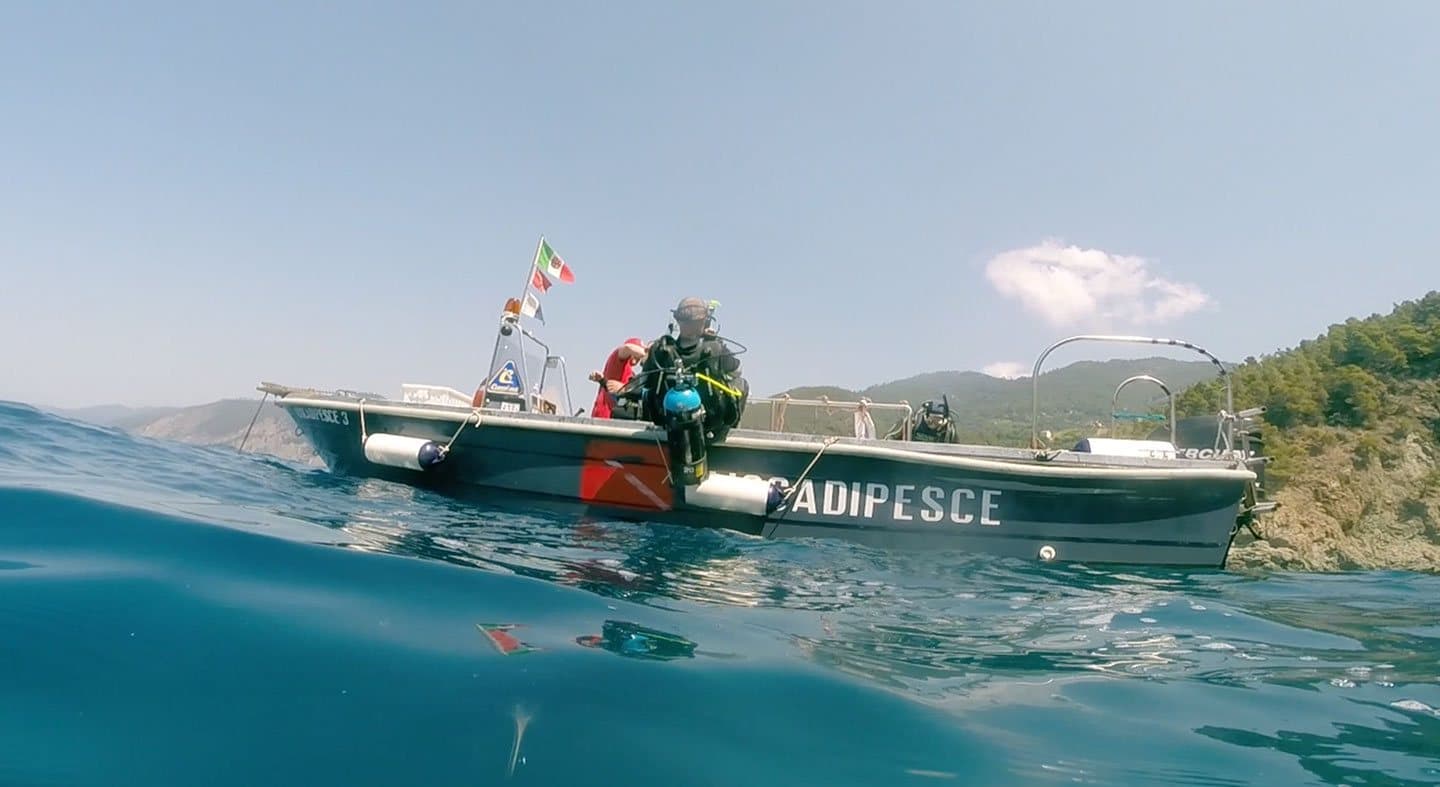
Six open-water dives that turn a certified diver into a confident, well-rounded one.
View Course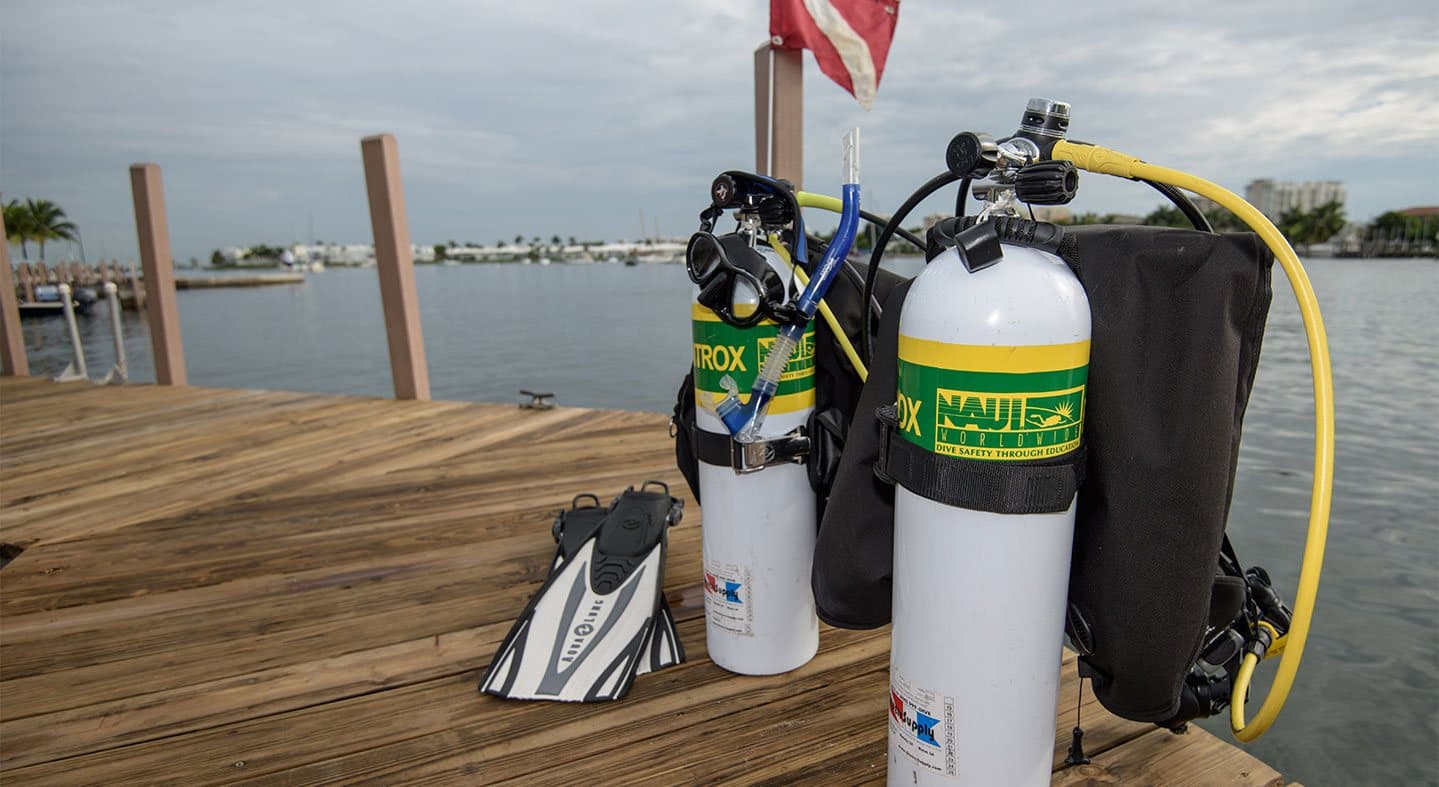 Certified Diver
Enriched Air Nitrox (EANx) Diver
Longer bottom time, shorter surface intervals, and a better understanding of what you're breathing.
View Course Advanced Specialty
Deep Diver
Plan and execute deep dives between 18 and 40 metres with real margin for error.
View Course